(Museum of Democracy) 17. April – 13 June 2021 at nGbK Berlin
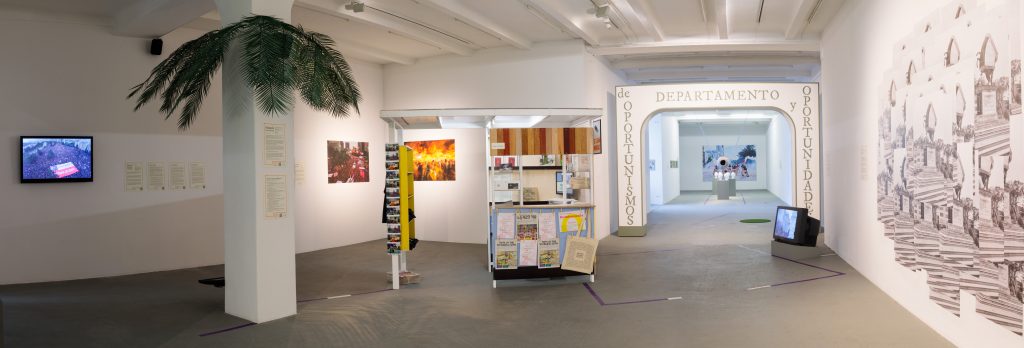


Museo de la Democracia began to come together in November 2019. That year saw major uprisings in several Latin American countries. Protests against the cuts and policies of Jair Bolsonaro’s first year in office started in Brazil. In Mexico, large feminist demonstrations were held against sexual abuse in universities and by the police. In Ecuador, indigenous groups, transport workers, and students demonstrated against President Lenín Moreno. In Chile, a group of schoolchildren protested against the rise in public transport fares, sparking widespread discontent over the high costs of education and healthcare and the precarious pension system. Colombia experienced a similar process when the great 21N National Strike was called, initially by the labor unions, but which then expanded into a large protest over pensions, education, and the peace agreement signed with the Revolutionary Armed Forces of Colombia (FARC).
These various social uprisings were accompanied by significant cultural movements, with citizens expressing themselves in the streets through graphic arts, performances, textile art, music, and actions such as the removal of colonial monuments. During these political and cultural demonstrations, various governments established strong police and military repression against protesters, serious human rights violations were committed, and many young people lost their sight and their lives.
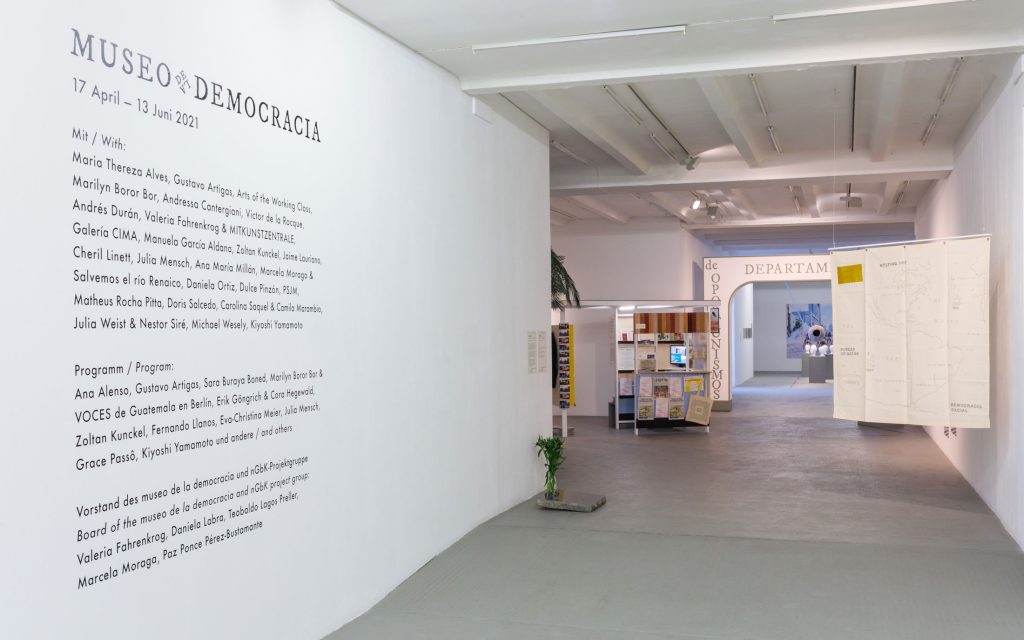
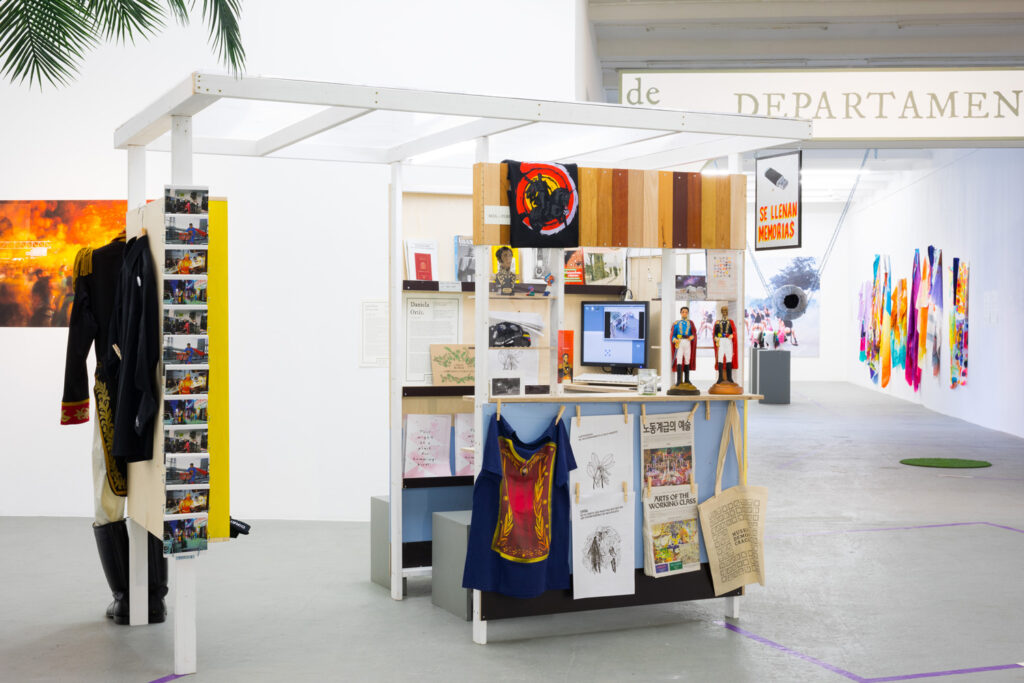
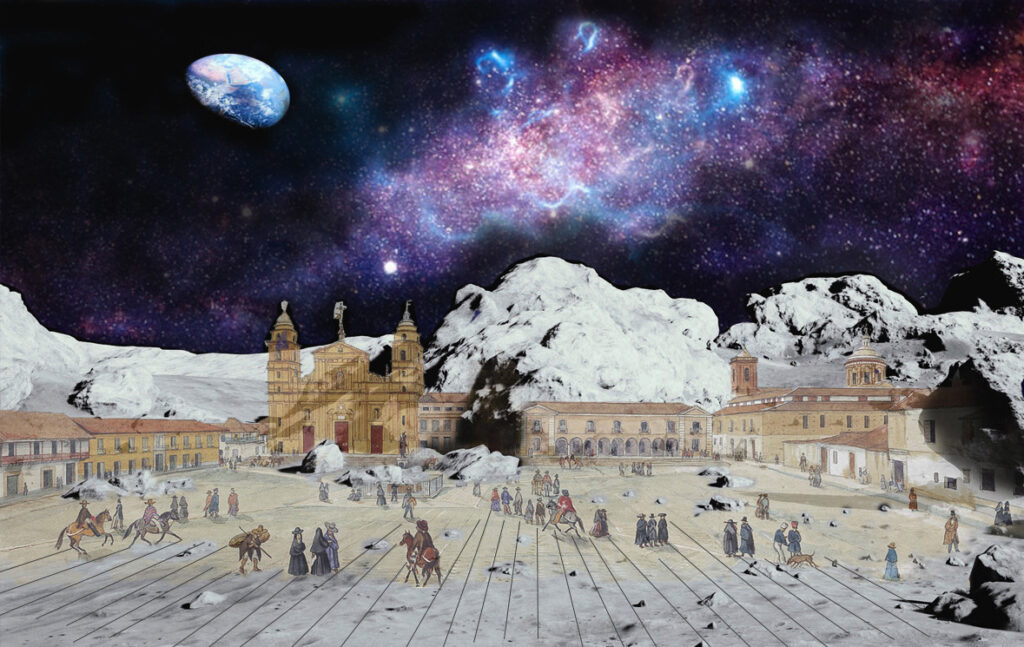
In Berlin, artists Valeria Fahrenkrog and Marcela Moraga, together with curators Daniela Labra, Paz Ponce Bustamante and Teo Lagos decided to carry out a project that would mediate in Germany the political and cultural energy that was happening in Latin America. The group established the demand for democracy by various social movements and marginalized groups in the Americas as its focus of research. This led to the creation of Museo de la Democracia, a fictional institution that brings together projects from Brazil, Chile, Argentina, Colombia, Mexico, Ecuador, Cuba, Venezuela, Guatemala and Peru.
The museum was presented at the nGbK (neue Gesellschaft für bildende Kunst e.V. / New Association for Visual Art in Berlin), a former artists association with roughly 1,000 members. The association operates on a completely democratic basis, with an exhibition program, publications and a public program of talks organized through the open participation of all its members.
Paradoxically, Museo de la Democracia opened in April 2021 without an audience, without the participation of invited collectives, without events and with many other obstacles due to the pandemic.
Visit the museum’s website at: https://museodelademocracia.net/en/home/